Friday, March 18, 2011

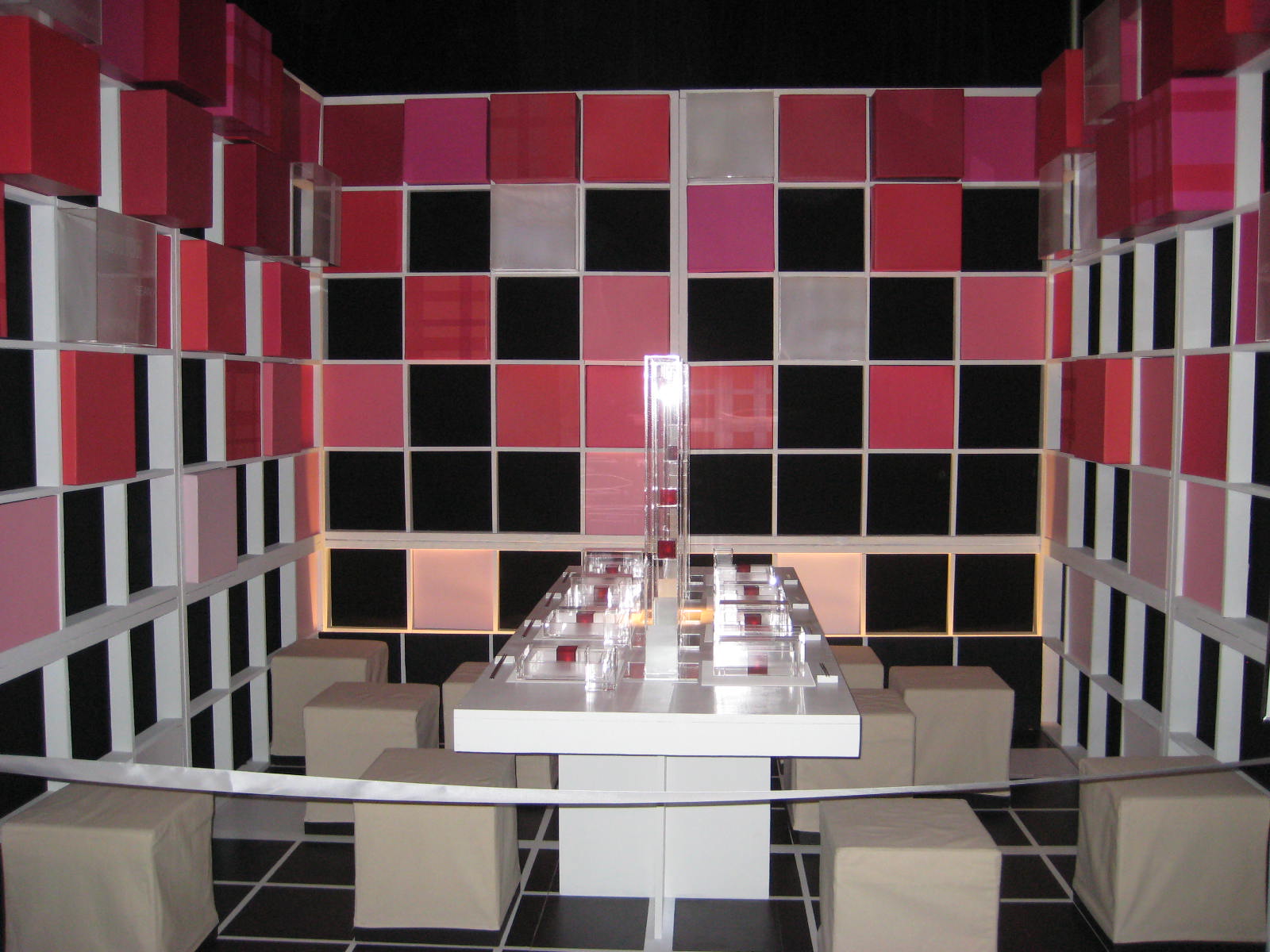
DIFFA Dining by Design


Designed by David Stark for Benjamin Moore


Evette Rios for Hayneedle


Eric Werner for Aesthete Ltd.


D'Apostrophe for Merchandise Mart Properties


Light and texture by Scandia

Marc Wilson Design setting


It's All About Design

It's the New York Design Festival!


Scratching your head? I did too when I finally got the memo. Trying to capitalize on the fact that hordes of architects, interior designers and all related and peripheral industries descend upon the town for the annual Architectural Digest Home Design Show at Pier 94, New York Mayor Michael Bloomberg declared the festival official.


This is actually a good thing. There's much going on this week into next, and it would be a shame not to catch at least some of it while there's still time.


The week got off to a good start Monday night with the pre-renovation party for this year's Kips Bay Designer Show House, scheduled to open April 28 on East 63rd Street. The house—once owned by John Hay Whitney, an ambassador to the U.K. under Dwight Eisenhower and a lifelong philanthropist—finds the benefit show back on the Upper East Side of Manhattan after an Upper West Side real estate kerfuffle last spring resulted in a much-delayed run. (I hope that won't permanently bar the folks at Kips Bay from considering a future UWS site.)


More on this year's Kips Bay show house: http://kipsbay.org/show-fundraiser.php?id=199


On Tuesday, the A&D Building hosted the second annual Educational Forum for Design Professionals, a daylong series of seminars that included breakfast, lunch and cocktails for participants. (If you attended, make sure to turn in all required paperwork—the seminars are good for up to 6 credits for AIA, IIDA and NCIDQ.) Wednesday was quiet, but engines revved up again for this month's 7 West Designer Day (when the gift/home/tabletop/textiles showrooms open their doors directly to designers in addition to the usual retailers), scheduled to coincide with the AD show; and AIPAD Photography Show New York, presented by fine art photography galleries from around the world.


7W New York: http://www.7wnewyork.com/
AIPAD: http://www.aipad.com/photoshow/new-york/


Thursday also marked the debut of the Artist Project. Unlike most shows, where the interested buyers connect with third parties such as dealers and auction houses, the Project allows collectors and the curious alike to interact directly with more than 150 independent artists. In this economic climate, any breaking down of walls, real or imagined, is welcome.


The Artist Project: http://www.theartistprojectny.com/


And so that all doubt is laid to rest about this sustainability thing, the design festival ends on Monday, March 21, with GREENleaders, a six-hour training program in green home furnishings presented by the AD show, the New York Design Center and the Sustainable Furnishings Council.


More about the Sustainable Furnishings Council: http://www.sustainablefurnishings.org/


The real draw this week, though, remains the Architectural Digest Home Design Show, which continues until Sunday, March 20. In its tenth year, the event features the latest in residential design, from furniture to kitchens, decorative accessories and technology. Lectures, seminars and cooking demonstrations round out the four days of exhibition. Participants include vendors large and small, local and international. Skram (New York), Ligne Roset (France), Sub-Zero (United States), USM-Haller (Europe) and Val Cucina (Italy) are but some of the 300 or more showing their wares.


WolfHome's beautiful silk fabrics (above & below)


Home goods in wool felt, handmade in Kyrgyzstan
Beautifully constructed fun, made in Brooklyn by Aviva Stanoff 
Glass by Nine Iron Studios


The biggest trend this year? Color. Rich reds and stunning yellows found their way into the usual collection of neutrals. Natural fabrics and handmade goods are back as well.


DIFFA Dining by Design, the annual tabletop design showcase that benefits AIDS research and outreach, wasn't immune. The best tables celebrate color as well as texture.

Hurry before it all ends. Festivals like this don't grow on trees.

Winter wonderland by Scandia
Kravet's DIFFA contribution
Liebherr
Even Coca-Cola got into the act.
Table by BFA & MFA students of New York School of Interior Design
Garden fantasy by David Beahm Design


Saturday, March 12, 2011

Back to the Future

I got to see two sides of the design coin this week. Mario Buatta, the Prince of Chintz, was honored this week as part of a gala fund-raiser benefiting the New York School of Interior Design, my alma mater. The evening began with cocktails at the Avenue Antiques and Art Show at the Park Avenue Armory. Nearly two hours later, invited guests entered the Beaux Arts-style Metropolitan Club and found its gilded ballroom made intimate by candlelight, barely restrained floral arrangements, and a celebratory and ebullient mood. NYSID alumni and colleagues mingled, exchanged stories and met with old friends before enjoying a simple yet delicious dinner, followed by tributes in verse and song to Mr. Buatta, long celebrated for his penchant for exuberant florals and color, matched with a finely tuned eye for antiques and scale. The 75-year-old designer glowed and laughed appreciatively, praising his colleagues for the ballroom decorations and accepting the tribute with grace.

NYSID's table and place setting; color 
and elegance abound.
The next night I found myself listening intently in a small auditorium at the Museum of Arts and Design as architects Michael Graves, Granger Moorhead and Gisue Hariri, as well as industrial designer Jeffrey Bernett, contemplated the state of American furniture design. The international perception is that there is no American furniture outside of office systems. To a great extent, the world is right. Much to the chagrin of the panel and those in attendance, innovation has given way to mass industrialization, where profit is king and craftsmanship holds little value. There's hope yet: Small-scale workrooms and manufacturers, working with forward-thinking designers, are poised to take furniture and product design back to the future. Technology aids the craftsman -- and woman! -- and new materials spur new approaches to old conundrums. 


The Ring Cuff by Gisue Hariri for Swarovski, a tea kettle
for Target by Michael Graves, contract seating for Coalesse by
Jeffrey Bernett, and Moorhead & Moorhead's Felt Stool 
The lines between design disciplines have blurred as well. Hariri & Hariri's architectural/interior design commissions continue to garner praise; Gisue Hariri wore a stunningly severe crystal necklace from the new jewelry line she and her sister and design partner, Mojgan, created from Swarovski (the company has started several small, studio-like entities that work closely with designers to launch hand-creafted products, including decorative lighting and jewelry). Both Mr. Bernett (through his Studio B) and Mr. Moorhead, with his brother Robert, have new products in the pipeline. ranging from car seats to modular screens, and each has partnered with companies large and small to release their work. Mr. Graves and Target remain partners—though product releases come less frequently—and his architectural practice continues apace. 

All the panelist expressed cautious optimism for the present and future of American furniture design—and American innovation in general. Watching the young, diverse audience nod in agreement and gather for impromptu discussions as the panelists adjourned, I felt the same optimism.

Heads, design wins. Tails, we all win.

Sunday, March 6, 2011

Surprise!

The other day I stumbled upon these Will Ryman floral sculptures. I couldn't understand why no one else was startled by them. That's because they've been up since January! So it was just the tourists and me gawking at these amusing, oversize pieces. I'm a winter baby and roses, especially pink ones, aren't my thing, but I was thrilled to catch a glimpse of irreverence on the Upper East Side. The works, which include giant stalks and strewn flower petals stretching between 57th and 67th Streets, will occupy the median until May.


Friday, March 4, 2011

Black & White, Then Throw In a Dash of Color


Newborns perceive no color when they first enter the world. Sound and sensation overwhelm them, but soon color enters their consciousness. The primaries first, then, inexorably, all the tertiaries our atmosphere allows. Some designers work this way as well, ready to absorb sights and experience before embarking on a design.


Andre Kikoski's interiors for 1280 Fifth Avenue, a condominium tower, confirm my impression of him as a thoughtful and passionate architect/designer. His concept for the newest luxury condominiums in Harlem derive from Central Park (across the street) and the colors, textures and seasons playing themselves out there.


The Fifth Avenue tower, at the corner of East 110th Street, is the last building to be built along the famed Museum Mile and will serve as a grand archway to some of the most enviable collections in the world. Look for the Museum for African Art, occupying the first four floors of the  limestone-clad structure, to open in 12 to 18 months. The tower and museum are designed by Robert A.M. Stern Architects.


Materials Kikoski and his team used in the lobby, elevator and the rest of the interiors include alabaster (or its digital equivalent), teak, limestone, parchment and glass tile. Light plays on all the surfaces because, sensitive to the sights just outside the windows, Kikoski chose to design fairly open, accessible floor plans, with airy kitchens and living areas from which the inhabitants can commune with the park and city beyond. Kikoski rightly called Harlem a "vibrant, fascinating neighborhood" that offered much to all willing to absorb the world beyond black and white.


Check out OHNY's blog: http://ohny.wordpress.com/2011/02/11/field-trip-friday-1280-fifth-avenue/


There are, of course, many ways to perceive color. British band Radiohead's newest, The King of Limbs, offers another burst of brilliance. In the video for the band's single "Lotus Flower," greys, deep blacks and murky whites surrounds lead singer Thom Yorke's spasmodic movements. I thought it a curious choice at first. But the lack of color puts into sharp relief the textures and colors of the song and the album.


The video for "Lotus Flower": http://www.youtube.com/watch?v=cfOa1a8hYP8


Color is front and center in a 2008 piece by New York-based artist Jean Shin. I'd love to know if it's still installed in the Baltimore federal building, because it's worth a visit.


http://www.jeanshin.com/pc_gsa.htm


And despite the stubbornness of many a contemporary architect, color plays a vital role in minimalist design. Check out these posters by graphic designer David Lopez in honor of this year's Oscar best-picture contenders.


http://minimalissimo.com/2011/02/minimalist-oscar-posters/#more-11870